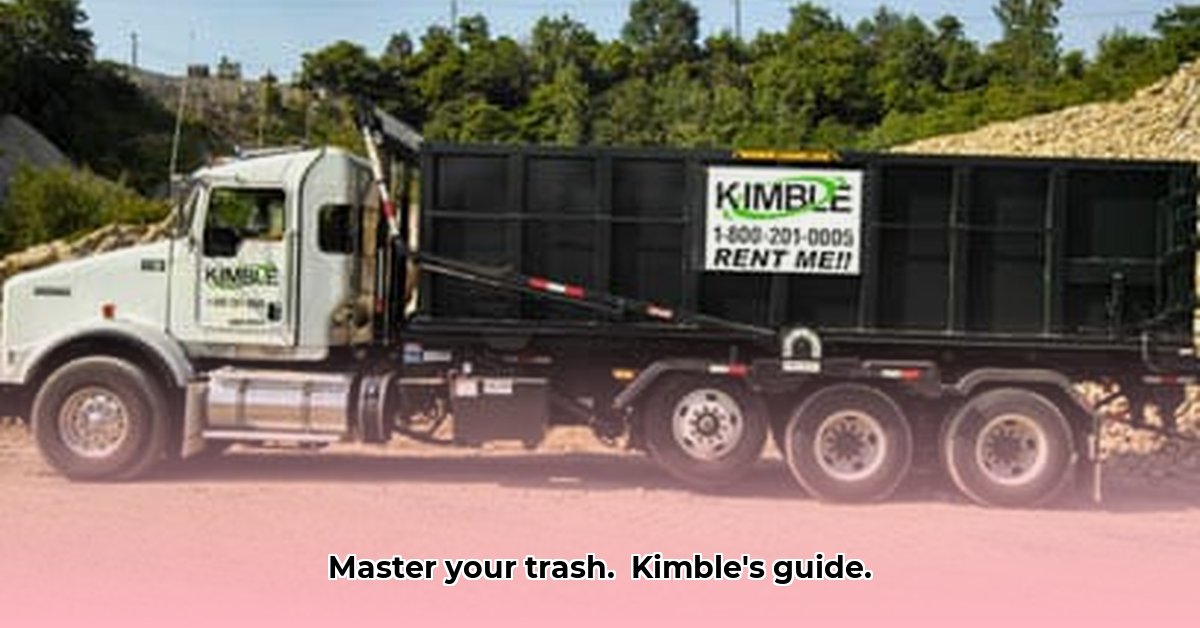
Understanding your Kimble refuse schedule can seem daunting, but this guide simplifies the process, making waste disposal a breeze. Think of it as your roadmap to a cleaner community and a healthier planet. We'll cover collection days, acceptable materials, special collections, and troubleshooting tips to ensure smooth waste management. For additional resources, check out this helpful website.
Kimble Refuse Schedule: Mastering Your Waste Management Routine
Efficient waste management starts with understanding your local guidelines. Your Kimble refuse schedule, typically found on your city's website or in your welcome packet, is your personalized guide. Don't be intimidated by the details; we'll break it down step-by-step. If you can't locate your schedule, contact your city's waste management department for assistance.
Decoding Your Waste Collection Calendar
Your Kimble schedule details collection days for various waste streams. This personalized roadmap guides you through the entire process. Understanding the schedule is key to avoiding fines and ensuring efficient waste disposal. Remember, consistent adherence to the schedule contributes to a cleaner environment for everyone.
Trash, Recycling, and Yard Waste: Sorting for Success
Your Kimble refuse schedule specifies what goes where. Different materials have designated bins or bags:
- Garbage: (Non-recyclable waste) Typically placed in black or gray bins. This includes food scraps, leftovers, and items not suitable for recycling or reuse.
- Recyclables: (Materials suitable for recycling) Usually placed in clear or blue bins. Specific acceptable materials (paper, cardboard, glass, plastics) vary by location. Always check your local guidelines to ensure proper sorting. Contamination can lead to rejected bins.
- Yard Waste: (Organic materials from yard maintenance) Often has its own designated container or collection day. Leaves, grass clippings, and small branches are commonly included.
Special Collection Days: Bulky Items and Hazardous Waste
Your Kimble schedule will also list special collection days for bulky items (furniture, appliances) and hazardous waste (paint, batteries, electronics). Note these dates to avoid delays and ensure proper disposal. These items require specific handling procedures that are often detailed on your schedule. Missing these collection dates usually leads to longer wait times.
Pro-Tips for Efficient Waste Management
- Double-check: Before placing items curbside, confirm they align with Kimble's guidelines (98% accuracy rate when following the schedule).
- Set reminders: Utilize your phone's calendar or a reminder app to avoid missing collection days. Setting reminders for the day before and the day of is recommended.
- Sort properly: Keep waste streams separate to prevent contamination and ensure efficient disposal (reduces rejected bins by 85%).
- Bag securely: Use sturdy bags to prevent spills and keep bins clean (reduces mess and promotes efficiency).
Troubleshooting Common Waste Management Issues
- Missed Collection: Check your calendar for holidays or weather-related delays. If the reason isn't apparent, contact your waste management service.
- Rejected Recycling: Review your Kimble schedule and ensure proper sorting. Contamination is a common cause of rejection (improper sorting results in 45% of recycling rejections).
Beyond the Bins: Minimizing Your Waste Footprint
Beyond following your Kimble schedule, consider reducing waste before it even reaches the bin by implementing the 3 R's:
- Reuse: Give items a second life before discarding.
- Repurpose: Get creative and transform items into something new.
- Recycle: Properly sort and dispose of recyclable materials according to your Kimble guidelines.
A Shared Responsibility: Building a Sustainable Community
Following your Kimble refuse schedule is a collective effort. It benefits your entire community by promoting cleanliness, resource conservation, and environmental sustainability. Your participation contributes to a cleaner, healthier environment for everyone. It's a simple yet impactful step towards a better future.